

A manufacturing plan for the entire batch
| Stage | Decision to define | Condition for proceeding |
|---|---|---|
| Technical review | Drawing revision, quantity and critical features | Approval of manufacturing scope |
| First article | Dimensions and results of the operations | Acceptance of agreed features |
| Batch production | Inspection intervals and dimensions to monitor | Continued conformity |
| Dispatch preparation | Quantity, part identification and packaging | Completion of the delivery scope |
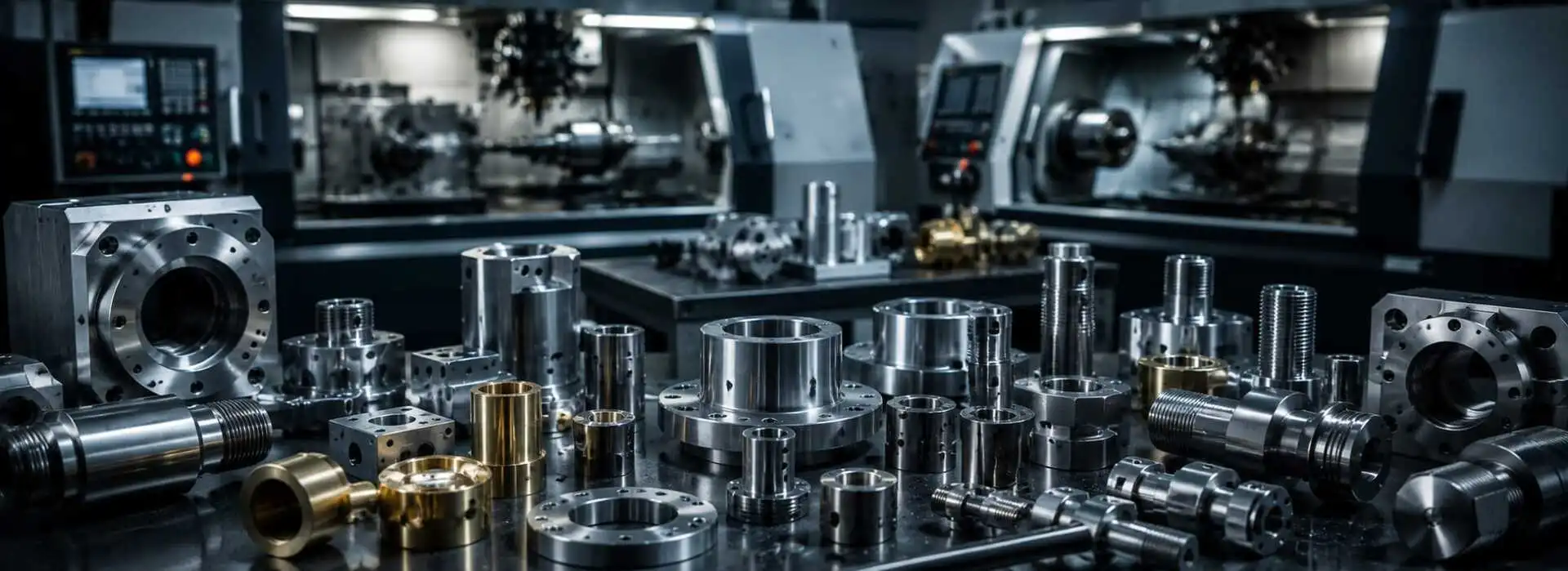
Being able to machine a single part and producing an entire batch in a consistent arrangement are different considerations. Workholding, tool changes and identification of parts waiting between operations affect the plan. Required preparation is assessed during quotation; quantity alone does not establish unit price or lead time.
From first article to in-process inspection
- Distinguish first article acceptance from the acceptance conditions for the whole batch.
- Identify the quantities affected by any drawing revision introduced during production.
- Specify particular inspection report and marking requirements before quotation.
Defining supply and operation boundaries
Technical information for a batch production quotation
Share the current drawing, total quantity, material details and intended delivery arrangement. A 3D model is useful alongside a drawing specifying dimensions and tolerances. Identify critical dimensions, the required surface condition and any additional operations. Preparation, production and inspection requirements are considered together in the quotation to establish the conditions under which the order will proceed.
Questions about contract batch production
Is there a fixed minimum quantity for batch production?
A suitable batch size depends on the part, material and preparation required. Sending the quantity with the drawing allows setup effort and production time to be assessed; one fixed threshold does not suit every job.
Does the entire batch proceed immediately after first article approval?
The condition for proceeding is agreed at the start of the order. Dimensional inspection may be sufficient, or the customer may require an assembly trial. The production plan records who gives approval and what that approval covers.
What happens if the drawing changes during batch production?
The affected parts, completed quantity and remaining stock are assessed together. The effect on additional machining, cost and delivery planning is established before the revised scope for continuing is approved.